Since its debut in 2001, Apple’s iPod has transcended its role as a music player to become a cultural phenomenon, leaving an indelible mark on cinema. With its sleek design, iconic white earbuds, and revolutionary approach to portable entertainment, the iPod became a go-to prop in films of the 2000s and beyond, symbolizing modernity, youth, and technological savvy. This article explores notable movies where iPods appear, highlighting their roles as both plot devices and cultural touchstones, including a significant appearance in The Book of Eli.
A Quiet Place: Day One (2024)
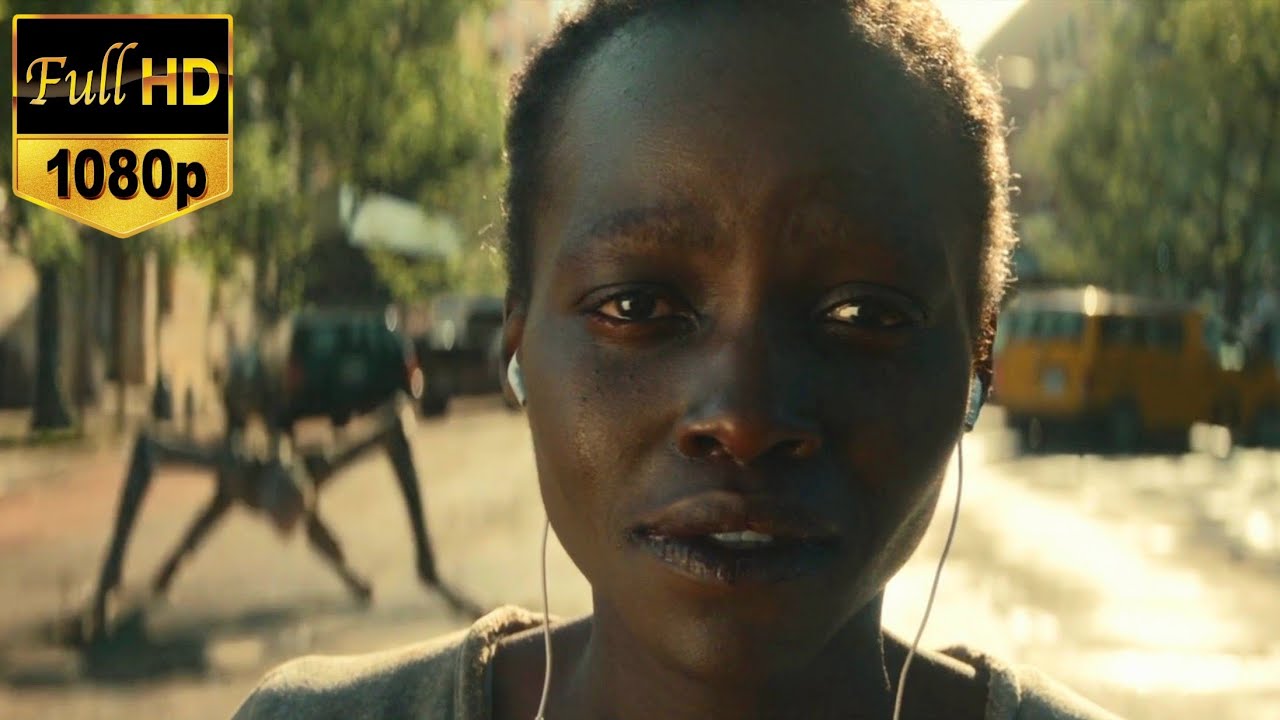
(iPod Nano 4th Gen)

(iPod Video Black Color )
Set in a world where silence is survival, A Quiet Place: Day One features iPods—likely a 5th-generation iPod Classic and a 4th-generation iPod Nano—as tools for characters navigating a sound-sensitive environment. While specific scenes are less detailed, the iPod’s presence aligns with the film’s auditory themes, offering a quiet means of personal expression. The devices likely serve as a source of comfort or distraction in a tense, silent world, emphasizing the iPod’s role as a personal sanctuary.
Baby Driver (2017)

(iPod Video Black Color)
More iPod Scenes Spotted in this article: The iPods of ‘Baby Driver’
In Edgar Wright’s Baby Driver, the iPod is more than a prop—it’s a narrative cornerstone. The protagonist, Baby (Ansel Elgort), uses various iPod models to curate soundtracks that sync with his high-octane heists and personal life, while also managing his tinnitus. Key scenes feature a 5th-generation iPod Classic playing “Bellbottoms” during the opening chase (0:59) and “Egyptian Reggae” in a diner (9:46). A remix scene at 16:03 showcases a collection of iPods, including a Classic, Mini, Shuffle, and 3rd-generation Nano. A pink 2nd-generation iPod Mini appears when Baby plays “Debra” for Debora (38:04), and a 4th-generation iPod Classic briefly surfaces before he shares a “killer tracks” playlist (55:26). The iPod’s retro aesthetic and integration with the film’s rhythm make it a character in its own right.
While We’re Young (2014)
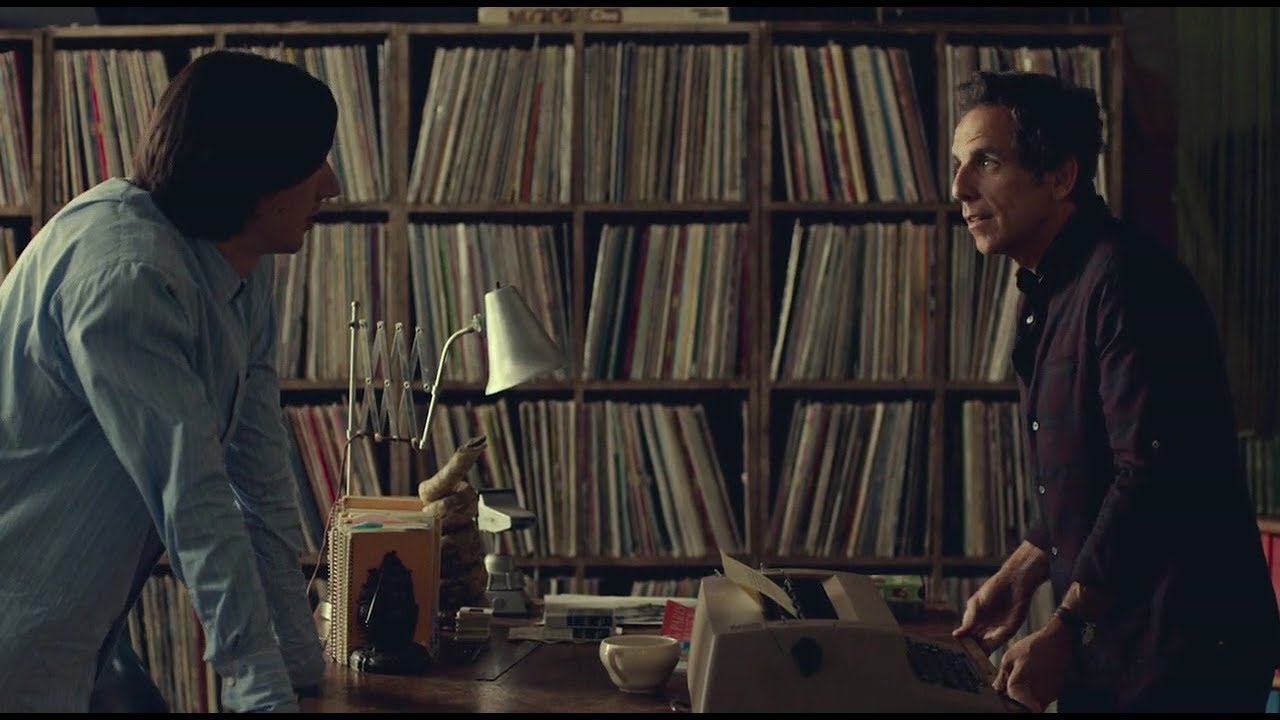
(iPod Touch 6th Gen)
In Noah Baumbach’s While We’re Young, a 5th-generation iPod Touch appears in a scene exploring generational differences. The iPod is used to highlight the contrast between the tech-savvy younger generation and the older protagonists, who grapple with aging and cultural shifts. Likely featured in a casual or social setting, the iPod underscores the characters’ differing relationships with music and technology, serving as a symbol of modernity and youth culture in this introspective comedy-drama.
Focus (2015)
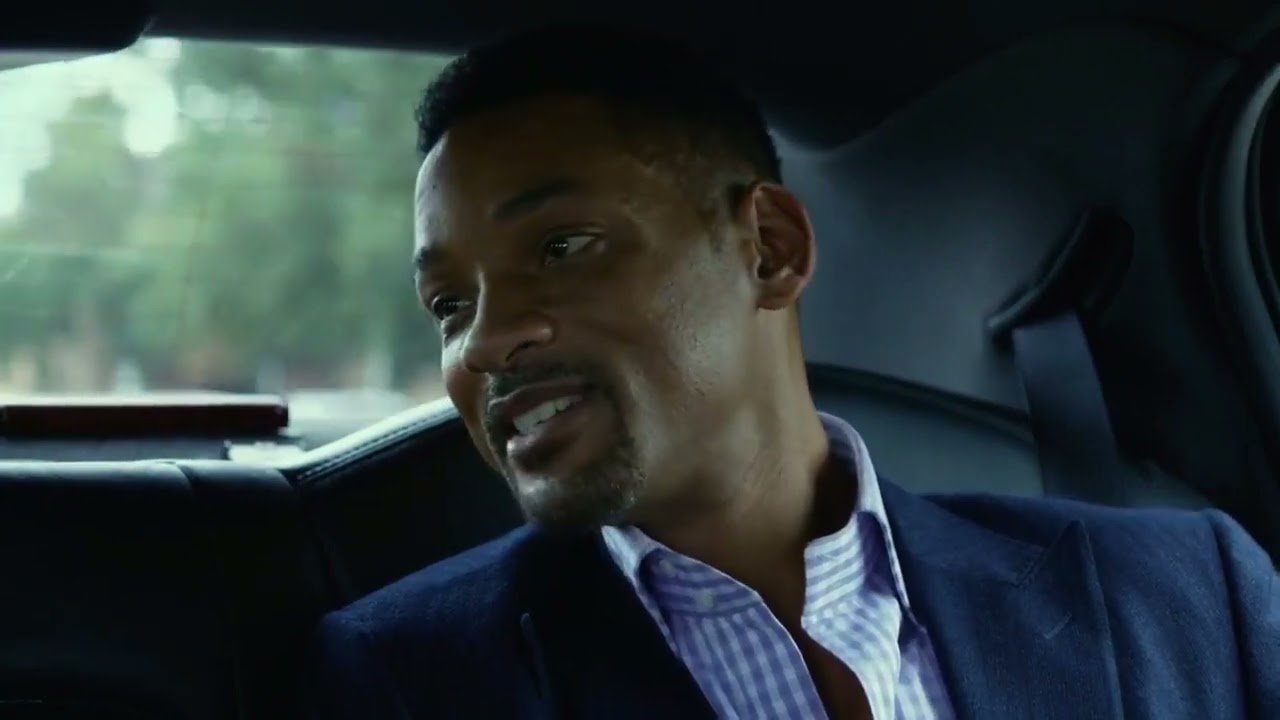
(iPod Classic 6th Gen)

In the con-artist thriller Focus, an iPod Classic features in a betting game scene, adding flair to the interactions between characters played by Will Smith and Margot Robbie. The iPod likely serves as a stylish prop, reflecting the characters’ suave and modern personas. Its presence in a high-stakes, glamorous setting aligns with the iPod’s cultural image as a chic, desirable gadget, enhancing the film’s sleek aesthetic.
The Book of Eli (2010)
In the post-apocalyptic neo-Western The Book of Eli, Denzel Washington’s character, Eli, carries a 3rd-generation iPod as a personal relic in a world ravaged by nuclear war. Eli uses the iPod to listen to Al Green’s “How Can You Mend a Broken Heart” while sharpening his knife, a moment that underscores his need for solace in a desolate landscape. He charges the device using a 12-volt DC battery, bartering with a shopkeeper for a charge in a makeshift town. The iPod’s functionality 30 years after civilization’s collapse has sparked debate among fans, with some speculating divine intervention keeps it running, aligning with the film’s spiritual themes. Others argue the iPod might contain an audio Bible, though the film confirms it holds music, not the scriptures Eli protects. The iPod, dirtied and scratched from production use, serves as a “hero prop,” symbolizing a connection to a lost world and Eli’s resilience.
Percy Jackson & The Olympians: The Lightning Thief (2010)


(iPod Touch)
In this modern mythological adventure, the iPod Touch proves its versatility beyond music. Percy uses the reflective back of a 3rd-generation iPod Touch to defeat Medusa by reflecting her deadly gaze. This clever use of technology bridges the ancient and modern, embedding the iPod as a practical tool in a fantastical narrative.
I Am Legend (2007)
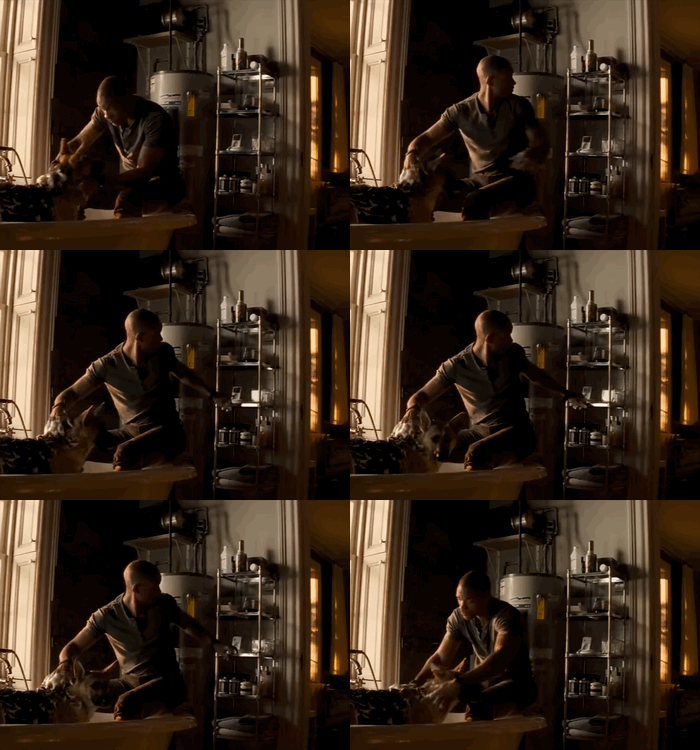
(iPod 5th Gen with Dock)
In the post-apocalyptic I Am Legend, Will Smith’s character finds solace in music, playing Stevie Wonder through a 5th-generation iPod Classic connected to a dock. The iPod serves as a poignant reminder of a lost world, grounding the character’s isolation in familiar technology. Its presence in the desolate setting highlights the human need for connection through music, even in a world devoid of society.
National Treasure: Book of Secrets (2007)
In National Treasure: Book of Secrets, an iPod Video appears as a background prop, reinforcing the franchise’s modern adventure vibe. Likely used in a scene involving Nicolas Cage’s character, Ben Gates, the iPod complements the film’s blend of historical intrigue and contemporary technology. Its presence underscores the characters’ tech-savvy approach to solving mysteries, aligning with the iPod’s image as a cutting-edge device in the mid-2000s.
Tropic Thunder (2008)
The war-comedy Tropic Thunder features Ben Stiller’s character watching Star Trek on an iPod dangling from a lanyard in a makeshift newspaper tent. This absurd juxtaposition of high-tech entertainment in a chaotic setting adds humor and highlights the iPod’s role as a portable escape. The iPod’s appearance in this satirical take on war films emphasizes its ubiquity as a personal entertainment device.
Firewall (2006)
In the thriller Firewall, Harrison Ford’s character uses an iPod Nano to “hack” a bank system—a technically far-fetched but dramatic use of the device. This portrayal reflects the 2000s fascination with the iPod as a symbol of cutting-edge technology, even if the execution stretches credibility. The iPod’s role in this high-stakes narrative underscores its cultural perception as a versatile, futuristic gadget.
WALL•E (2008)
In Pixar’s WALL•E, an iPod Video likely appears as a nod to futuristic yet nostalgic technology. While specific scenes are less detailed, the iPod’s inclusion aligns with the film’s exploration of humanity’s relationship with tech. As a symbol of personal entertainment, it complements the story’s themes of loneliness and connection, possibly appearing in scenes involving human artifacts discovered by the titular robot.
Toy Story (1995 or sequels)
In Toy Story or one of its sequels, a generic iPod—resembling a 4th-generation Nano or Mini—makes an appearance, appealing to the franchise’s youthful audience. Likely featured in a modern context within the toy-filled world, the iPod serves as a relatable prop for younger viewers, reflecting the device’s cultural prominence. Its inclusion reinforces the series’ blend of nostalgia and contemporary elements, though specific details about its use remain vague.
Chronological Summary of Notable iPod Appearances in Cinema
| Movie Title (Year) | iPod Model(s) Identified & Source(s) | Key Scene(s) & Interaction | Primary Narrative Function | Notable Song(s) & Source(s) |
|---|---|---|---|---|
| The Office (US) - “Christmas Party” (2005) | iPod 5th Generation (Video) 60GB 2 | Michael buys it for Ryan; becomes coveted item in Yankee Swap. | Symbol of aspirational consumerism; catalyst for comedic conflict; highlights character desires. | N/A (item’s value is key) |
| War of the Worlds (2005) | Unspecified model (script mentions “iPod earphones”) 5 | Robbie Ferrier listens to loud rap music, disconnected from his father. | Symbolizes teenage rebellion and generational disconnect. | “Bassy Rap Music” 5 |
| Firewall (2006) | iPod Mini (daughter’s) 6 (Discrepancy: some sources suggest Nano 8) | Jack Stanfield uses it with a scanner/fax to download bank data. | Plot device for data theft; highlights character ingenuity under duress. | N/A (data storage) |
| The Fast and the Furious: Tokyo Drift (2006) | Unspecified model 10 | Twinkie sells a broken iPod to Morimoto; Sean gives his own iPod to resolve conflict. | Minor plot device; catalyst for conflict; character development for Sean; cultural marker. | N/A |
| Transformers (2007) | Potential “iPod thing” Decepticon (pre-release buzz, not in final film as iPod) 12 | N/A (Frenzy is a boombox/phone in film 13) | Concept played on tech anxieties. | N/A |
| National Treasure: Book of Secrets (2007) | iPod Video (indicated by scene links 14) | Details sparse in snippets; likely product placement. | Product placement. | N/A |
| I Am Legend (2007) | iPod Classic 16 | Robert Neville listens to music for comfort and connection to past. | Symbol of connection to lost humanity; source of solace. | Bob Marley / Stevie Wonder (varies) 16 |
| Tropic Thunder (2008) | “Video iPod” (likely iPod Classic 5th/6th Gen or video Nano) 17 | Tugg Speedman watches Star Trek in the jungle. | Comedic character detail; satirizes reliance on entertainment. | N/A (video playback) |
| Burn After Reading (2008) | Unspecified model (strapped to arm; likely Nano or Shuffle) 19 | Chad Feldheimer wears it; dances to music in his car. | Character signifier (fitness enthusiast, late-aughts archetype). | “Lowest common denominator dance-pop”; Taryn Murphy’s “On the Floor” (dubbed) 20 |
| Forgetting Sarah Marshall (2008) | Unspecified model (“Sarah’s iPod”) 21 | Aldous Snow finds and listens to Peter’s song on Sarah’s iPod. | Catalyst for male bonding and artistic validation; reveals past relationship remnants. | Peter’s “dark, gothic Neil Diamond” style song 21 |
| WALL-E (2008) | iPod Video (likely 5th Gen Classic) 23 | WALL-E watches Hello, Dolly! to learn about human emotion. | Conduit to lost human culture; teaches love and connection. | “It Only Takes a Moment,” “Put On Your Sunday Clothes” from Hello, Dolly! 25 |
| The Simpsons - “Mypods and Boomsticks” (2008) | “MyPod” (parody of iPod) 27 | Lisa gets a MyPod, becomes obsessed, racks up huge bill. | Satire of Apple branding, consumerism, and iPod phenomenon. | N/A |
| The Book of Eli (2010) | Debated: 2nd Gen 30 or 3rd Gen.31 Prop is “heavily distressed”.32 | Eli’s sole connection to past music; charging is a plot point; Solara inherits it. | Relic of lost world; symbol of personal memory; faith/miracle. | Al Green - “How Can You Mend a Broken Heart” (cover or original) 30 |
| Percy Jackson & The Olympians: The Lightning Thief (2010) | iPod Touch 2nd Generation 34 | Percy uses its reflective back to view and fight Medusa. | Modern adaptation of mythological tool; product placement. | N/A (visual use) |
| While We’re Young (2014) | iPod Touch 5th Gen 23 | Jamie plays “Eye of the Tiger” for Josh. | Highlights generational differences in music/tech interaction. | “Eye of the Tiger” 36 |
| Focus (2015) | iPod Classic 23 (needs visual confirmation) | Reportedly used in “betting game” scene. | (Pending confirmation) | (Pending confirmation) |
| Baby Driver (2017) | Various: iPod Classic (5th/6th Gen), 1st Gen iPod, pink cased iPod (Nano/Mini?), U2 Special Edition, others 1 | Central to Baby’s character, used for focus in heists, connection, coping with tinnitus. | Character-defining prop; plot driver; emotional anchor. | Extensive curated soundtrack, e.g., “Bellbottoms,” “Debora,” “Harlem Shuffle,” “Brighton Rock” 1 |
| A Quiet Place: Day One (2024) | iPod Nano 42 (docked into music player 43) | Sam listens to music, then uses it to attract creatures in final act. | Symbol of final peace and defiance; sacrificial act. | Nina Simone - “Feeling Good” 42 |
This table offers a structured overview, and the following sections will delve into the specifics of these and other appearances.
The iPod’s Cinematic Legacy
The iPod’s frequent appearances in films stem from Apple’s strategic product placement and its cultural dominance in the 2000s, when it commanded up to 80% of the MP3 player market. Its sleek design and white earbuds became shorthand for modernity, making it a natural fit for genres ranging from action and comedy to animation and sci-fi. In The Book of Eli, the iPod’s improbable functionality adds a layer of intrigue, sparking discussions about its role in the narrative and its symbolic weight as a relic of a bygone era. While often a background prop, the iPod occasionally takes center stage, as in Baby Driver and The Book of Eli, where it drives the narrative.
For those seeking more examples, searching IMDb for “iPod” or exploring product placement databases can uncover additional appearances. The iPod’s legacy in cinema reflects its broader impact: a device that not only changed how we listen to music but also how we tell stories on screen.